April 27, 2023
Wine Tasting 101
A Guide to Appreciating Niagara Wine
Are you a wine lover who wants to learn how to taste wine like a pro? Wine tasting is the sensory examination of wine, which allows you to appreciate and understand the characteristics of different types of wine. Whether you're a beginner or an experienced wine enthusiast, this guide will provide you with tips on how to taste wine effectively and appreciate all its nuances.
Appearance
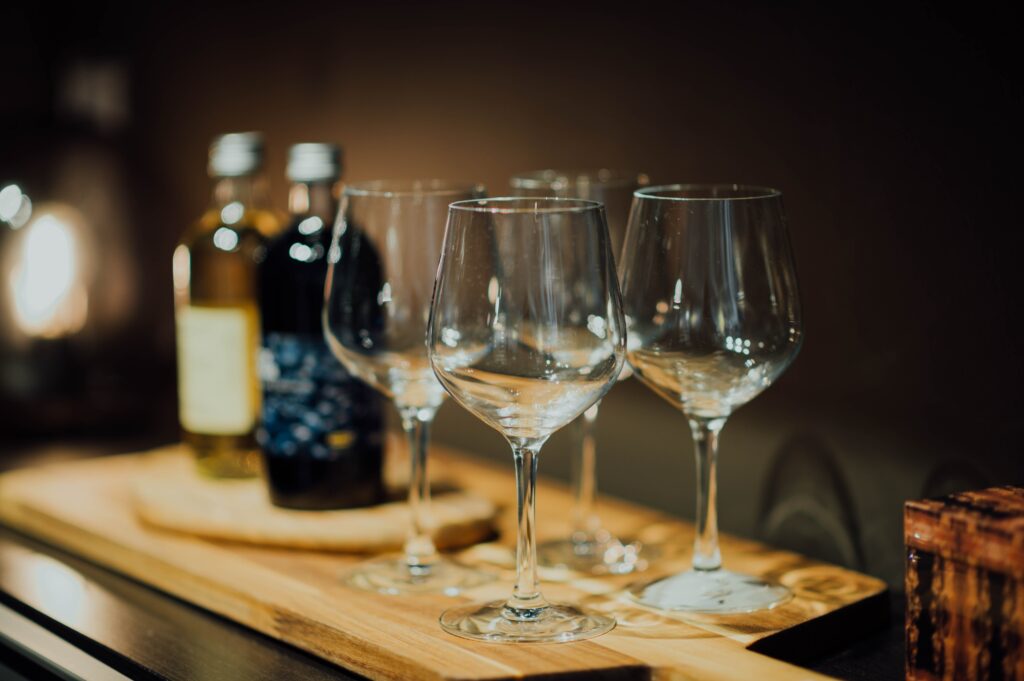
The first step to wine tasting is to observe the wine's appearance. Hold the glass up to a light source and check the wine's colour and clarity. A wine's colour can range from pale-yellow to deep purple, and its hue can indicate its type, age, and flavour profile. The wine's clarity should also be considered, as a hazy appearance can indicate a faulty wine.
Aroma
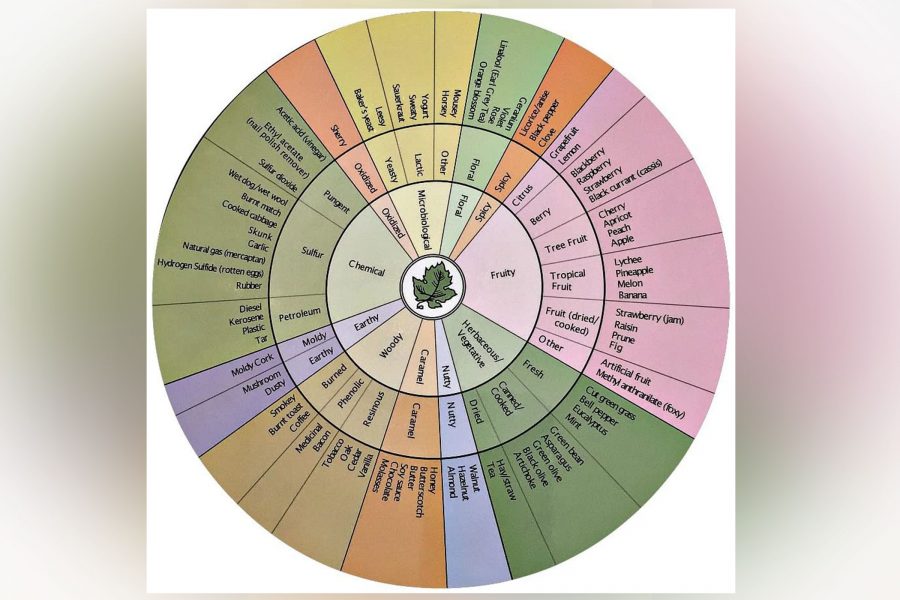
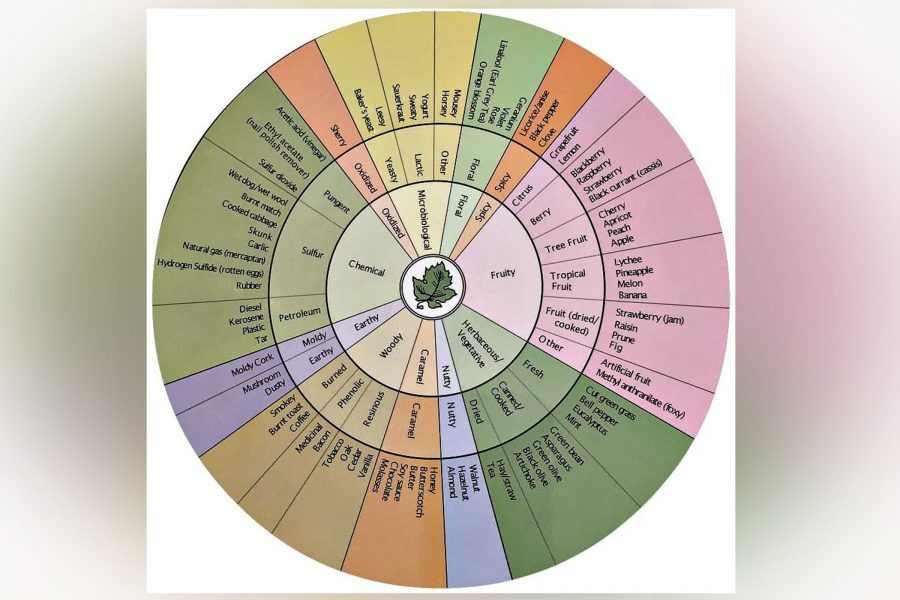
The aroma of wine can reveal a lot about its flavor profile. Swirl the wine around in the glass to release its aroma, then take a sniff. The wine's aroma can be sweet, fruity, floral, or earthy, and can indicate its grape variety, region, and winemaking process. For example, a Chardonnay wine can have a buttery, oaky scent, while a Pinot Noir can have a fruity, spicy aroma.
Taste
The taste of wine is the most important aspect of wine tasting – and our favourite part! Take a small sip and let the wine coat your mouth. Notice the different flavors and textures that you can detect, such as fruit, herbs, and spices. Pay attention to the wine's sweetness, acidity, and tannin levels. Sweetness refers to the wine's sugar content, acidity is the presence of tartness, and tannin is the bitterness that comes from the grape skins
Finish
The finish of wine refers to the aftertaste that lingers in your mouth after you swallow the wine. Notice how long the taste lasts and how it evolves. A long finish can indicate a high-quality wine, while a short finish can indicate a simpler wine.
Types of Wine
There are many different types of wine, each with its own unique characteristics. Some popular types of wine include:
- Chardonnay: a white wine that is typically oaky, buttery, and creamy.
- Pinot Noir: a red wine that is light-bodied, fruity, and earthy.
- Cabernet Sauvignon: a red wine that is full-bodied, tannic, and complex.
- Sauvignon Blanc: a white wine that is fruity, herbaceous, and crisp.
- Merlot: a versatile red wine that is medium-bodied, fruity, and soft.
Common Tasting Terms
Here are some common wine tasting terms that you should be familiar with:
- Tannin: bitter compounds found in grape skins that give wine a dry sensation in the mouth.
- Body: the weight and texture of wine on the palate.
- Acidity: the tartness or sourness in wine that balances the sweetness.
- Finish: the aftertaste that lingers in the mouth after swallowing.
- Astringent: a puckering or drying sensation when sipping wine.
Our Tips for Tasting Wine
- Take small sips to avoid overwhelming your palate.
- Start with lighter wines before moving on to heavier, more complex wines.
- Take breaks between tastings to cleanse your palate with water or neutral food, such as bread or crackers.
- Use a wine tasting sheet to jot down your observations and keep track of your favourites.
Now that you know the basics of wine tasting, it's time to put your newfound knowledge into practice. There are many books, online courses, and wine tasting events that can help you deepen your understanding and appreciation of wine but there is nothing like getting out to Niagara Wineries to experience it firsthand! Book a tour with us and explore the world of wine tasting today!