Wine Tasting 101

wine tasting

Wine Tasting 101

A Guide to Appreciating Niagara Wine

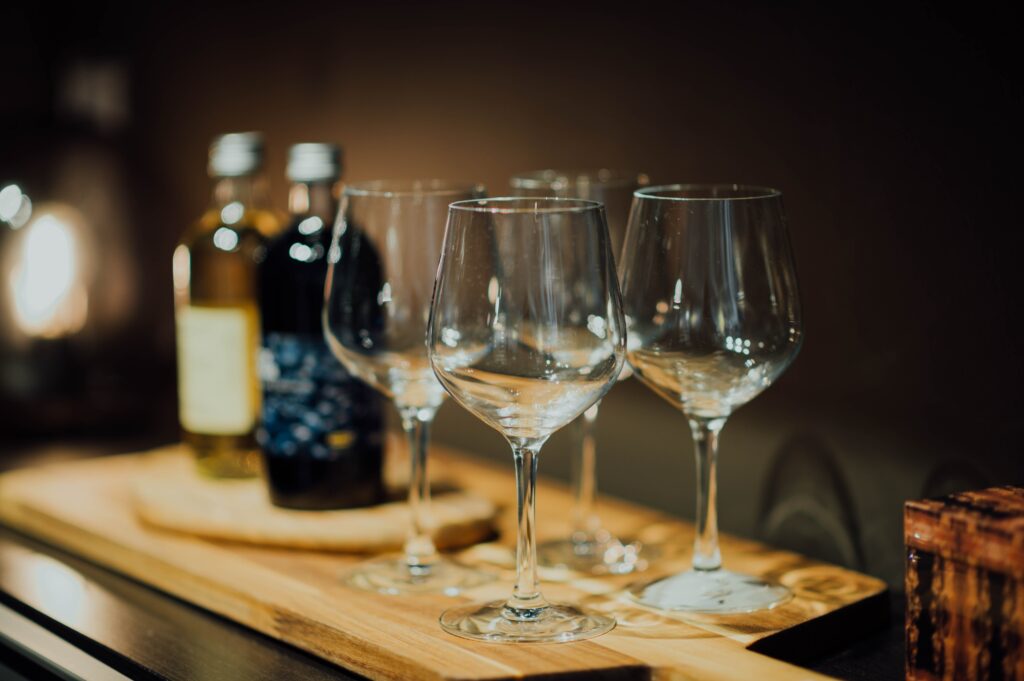
Are you a wine lover who wants to learn how to taste wine like a pro? Wine tasting is the sensory examination of wine, which allows you to appreciate and understand the characteristics of different types of wine. Whether you're a beginner or an experienced wine enthusiast, this guide will provide you with tips on how to taste wine effectively and appreciate all its nuances.
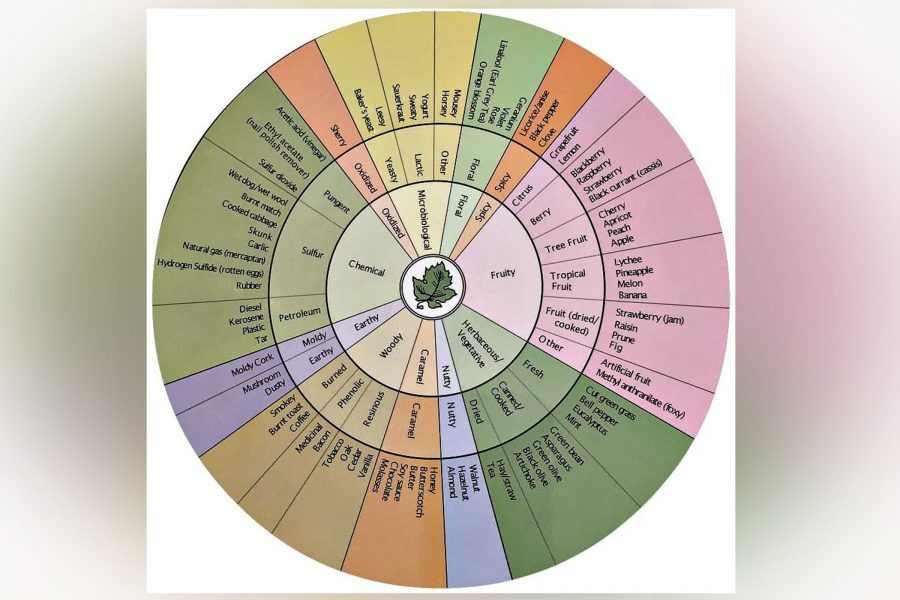
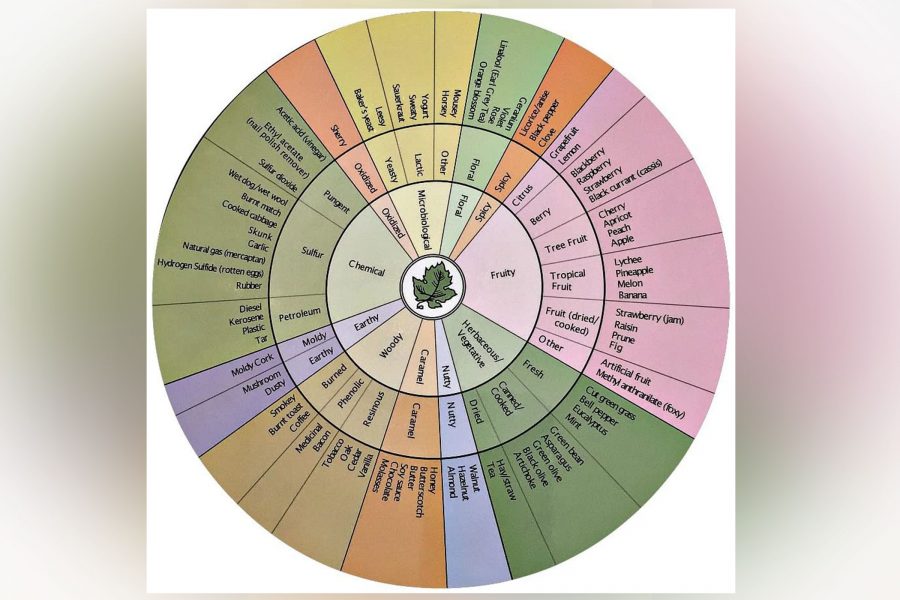
wine tasting wheel

Appearance

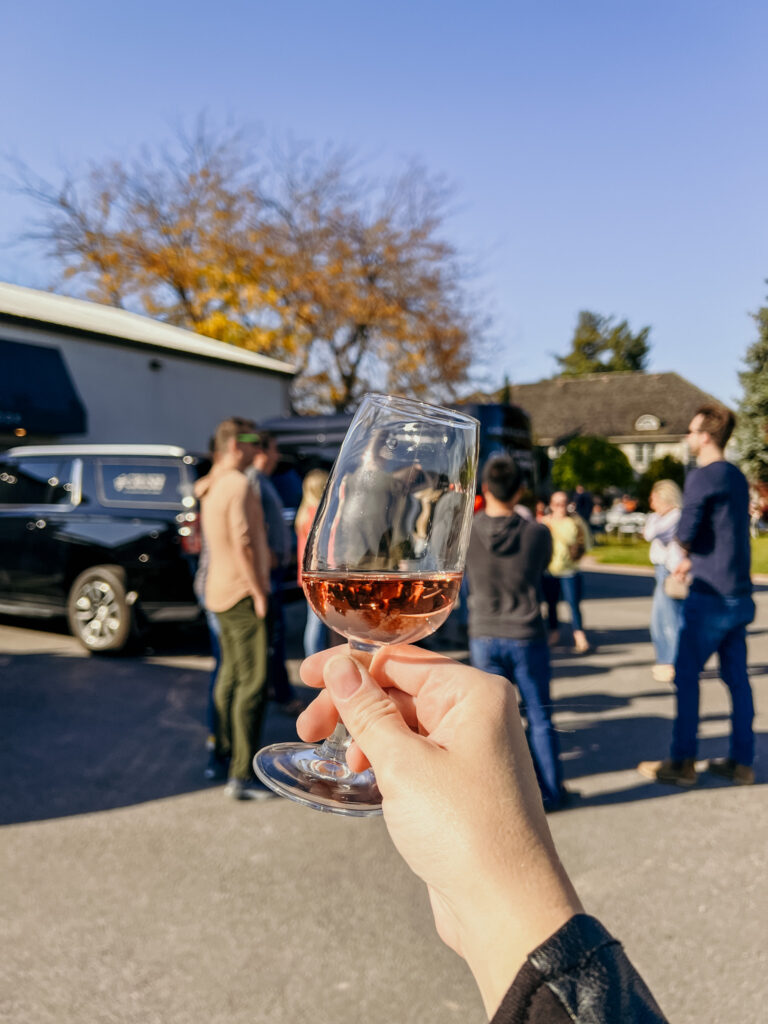
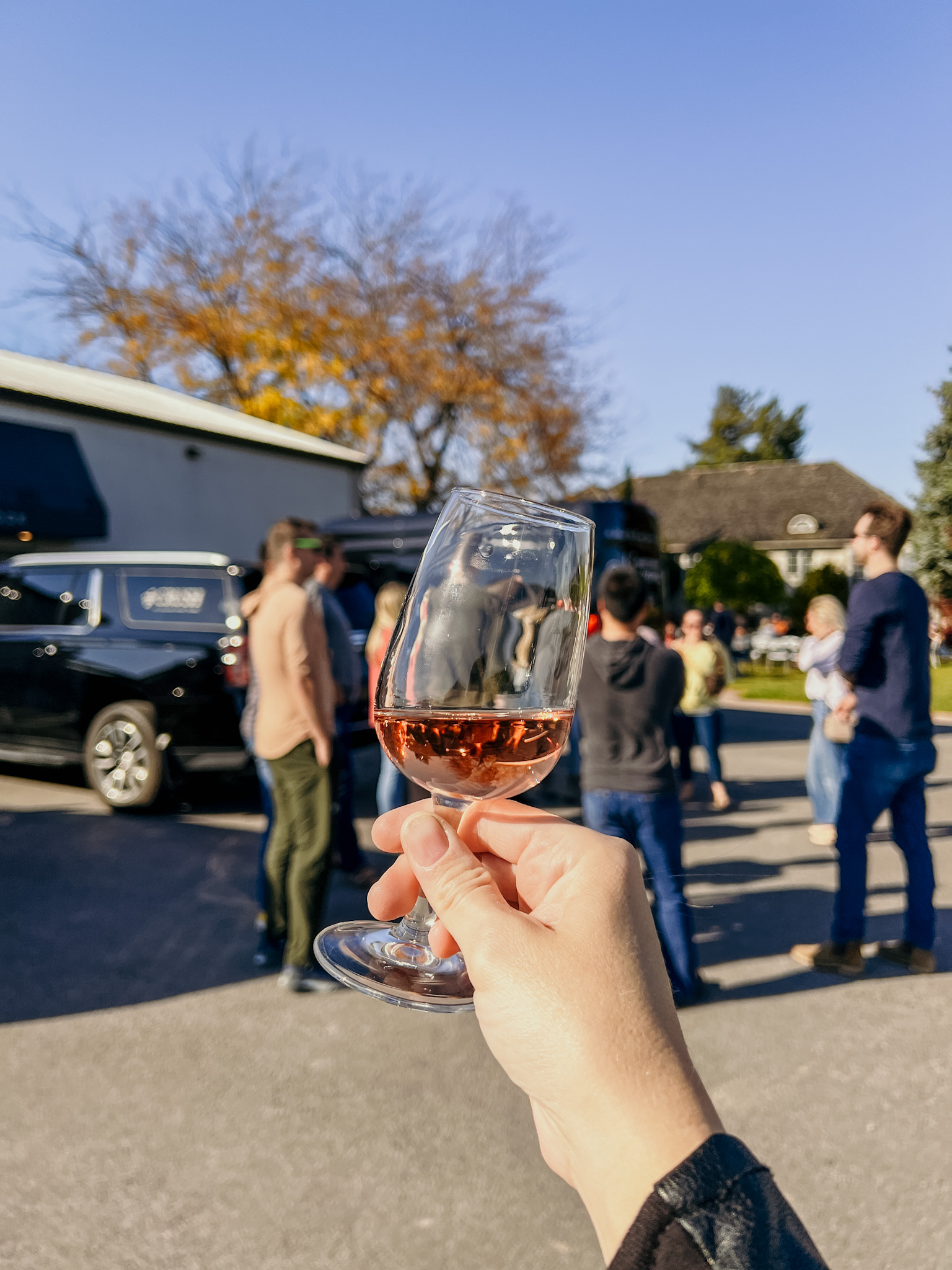
The first step to wine tasting is to observe the wine's appearance. Hold the glass up to a light source and check the wine's colour and clarity. A wine's colour can range from pale-yellow to deep purple, and its hue can indicate its type, age, and flavour profile. The wine's clarity should also be considered, as a hazy appearance can indicate a faulty wine.

Aroma

The aroma of wine can reveal a lot about its flavor profile. Swirl the wine around in the glass to release its aroma, then take a sniff. The wine's aroma can be sweet, fruity, floral, or earthy, and can indicate its grape variety, region, and winemaking process. For example, a Chardonnay wine can have a buttery, oaky scent, while a Pinot Noir can have a fruity, spicy aroma.

Taste

The taste of wine is the most important aspect of wine tasting – and our favourite part! Take a small sip and let the wine coat your mouth. Notice the different flavors and textures that you can detect, such as fruit, herbs, and spices. Pay attention to the wine's sweetness, acidity, and tannin levels. Sweetness refers to the wine's sugar content, acidity is the presence of tartness, and tannin is the bitterness that comes from the grape skins

Finish

The finish of wine refers to the aftertaste that lingers in your mouth after you swallow the wine. Notice how long the taste lasts and how it evolves. A long finish can indicate a high-quality wine, while a short finish can indicate a simpler wine.

Types of Wine

There are many different types of wine, each with its own unique characteristics. Some popular types of wine include:

  • Chardonnay: a white wine that is typically oaky, buttery, and creamy.
  • Pinot Noir: a red wine that is light-bodied, fruity, and earthy.
  • Cabernet Sauvignon: a red wine that is full-bodied, tannic, and complex.
  • Sauvignon Blanc: a white wine that is fruity, herbaceous, and crisp.
  • Merlot: a versatile red wine that is medium-bodied, fruity, and soft.

Common Tasting Terms

Here are some common wine tasting terms that you should be familiar with:

  • Tannin: bitter compounds found in grape skins that give wine a dry sensation in the mouth.
  • Body: the weight and texture of wine on the palate.
  • Acidity: the tartness or sourness in wine that balances the sweetness.
  • Finish: the aftertaste that lingers in the mouth after swallowing.
  • Astringent: a puckering or drying sensation when sipping wine.

Our Tips for Tasting Wine

  • Take small sips to avoid overwhelming your palate.
  • Start with lighter wines before moving on to heavier, more complex wines.
  • Take breaks between tastings to cleanse your palate with water or neutral food, such as bread or crackers.
  • Use a wine tasting sheet to jot down your observations and keep track of your favourites.

Now that you know the basics of wine tasting, it's time to put your newfound knowledge into practice. There are many books, online courses, and wine tasting events that can help you deepen your understanding and appreciation of wine but there is nothing like getting out to Niagara Wineries to experience it firsthand!  Book a tour with us and explore the world of wine tasting today!
Best Wine Varietals

sniffing wine

Best Wine Varietals

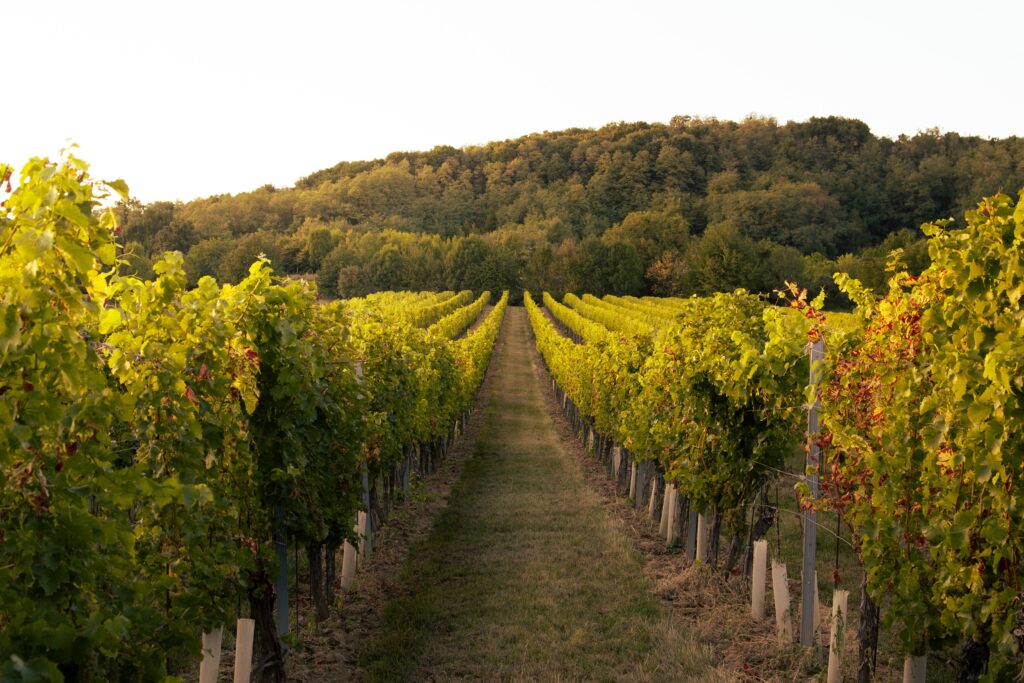
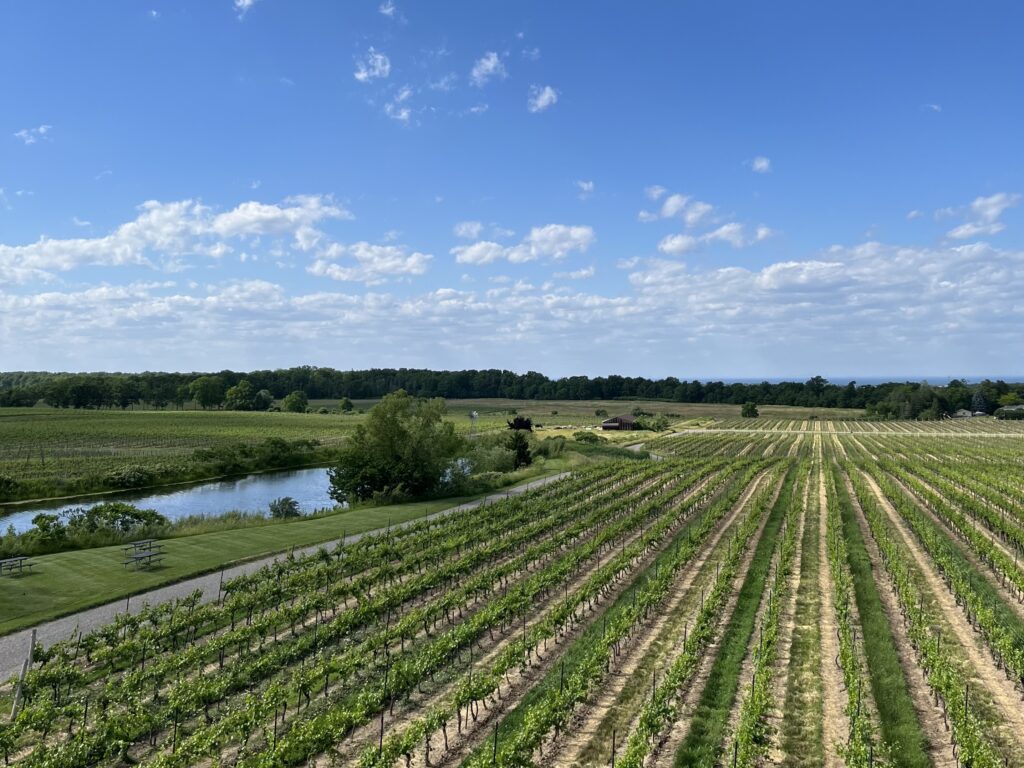
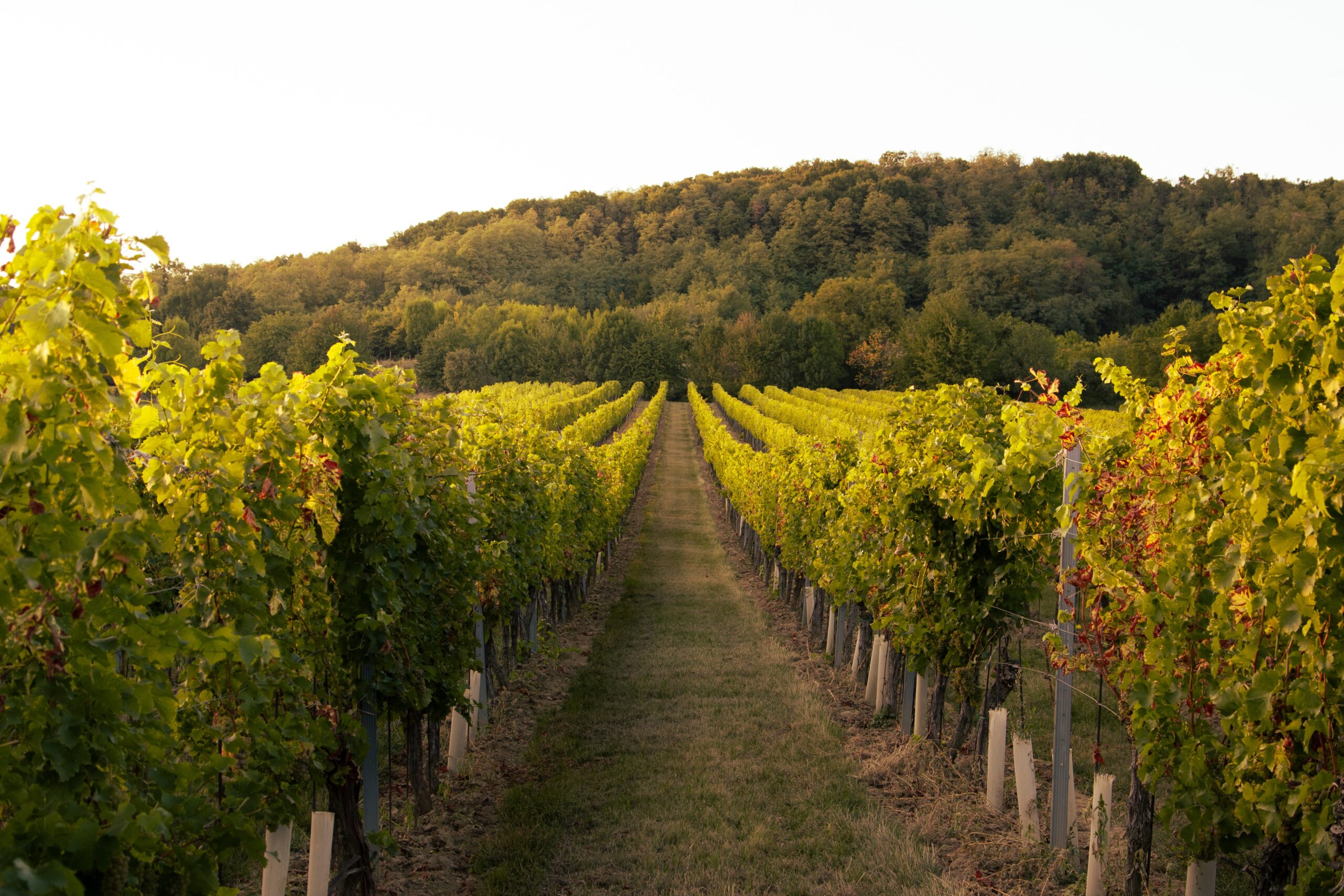
Welcome to Niagara, a region that is well-known for its stunning landscapes, rolling hills, and vast vineyards. Whether you’re a wine connoisseur or simply enjoy indulging in a glass or two, Niagara is a region that should be on your bucket list. The diversity and quality of the wine varieties found in Niagara make it a must-visit destination for both locals and tourists. In this blog post, we will be exploring some of the best wine varietals that you can find in the Niagara region.

wine vineyards

Pinot Noir

Pinot Noir is a light-bodied and delicate wine that thrives in the colder climate of the Niagara region. This wine features a unique combination of fruit, acidity, and earthiness, making it highly sought after by wine lovers. Pinot Noir pairs perfectly with salmon dishes, mushroom risottos, and light meats.

Chardonnay

Chardonnay is a popular wine variety found in the Niagara region. The grape thrives in the Niagara climate, and winemakers have taken advantage of this by consistently producing stunning and elegant Chardonnays. The wine is typically aged in oak barrels, which give it a buttery and creamy taste. Chardonnay pairs well with chicken, fish, and creamy pastas.

Merlot

Merlot is a velvety wine variety that flourishes in the Niagara region. The wine features a rich, smooth texture with a balanced blend of fruit and oak. The grape is often blended with other red varieties to create complex and unique blends. Merlot pairs perfectly with dark meats, venison, and sharp cheeses.

Cabernet Franc

Cabernet Franc is a bold, spicy wine that is well-suited for the Niagara region’s cooler climate. The grapes are grown on the north-facing slopes of the Niagara Escarpment, which provides a unique terroir, making for a complex and balanced wine. Cabernet Franc pairs well with red meats, game, and chocolate.

Baco Noir

Baco Noir quickly became one of North America’s most successful hybrids. Introduced in 1955, it is now one of Ontario’s most grown grapes. Its ability to survive harsh winters makes it the perfect fit for Ontario’s unpredictable climate. Its resistance makes it a friendly alternative to growing Pinot Noir.

It is a flavourful grape that creates big, earthy wines because of its flavour profile, which includes notes of leather, currants, and spice.

Ice Wine

Ice Wine is a rare and unique wine variety that is made from grapes that have frozen on the vine, typically harvested in the early morning hours after sub-zero temperatures. These conditions help to develop a sweet, luscious, and concentrated taste that is unrivaled by any other wine. Ice wine is often enjoyed as a dessert wine, and it pairs perfectly with decadent chocolate desserts, robust blue cheeses, or fruit tarts.

The Niagara region is a wine lover's paradise. With so many varietals to choose from, it’s no wonder that the region attracts wine lovers from all over the world. From bold reds to crisp whites, the region offers a diverse selection of wine that is sure to satisfy even the most discerning palate. So, what are you waiting for? Plan your next trip to Niagara and experience the best wine varietals that the region has to offer.

Your Wine Tour Experience

Your Your Wine Tour Experience

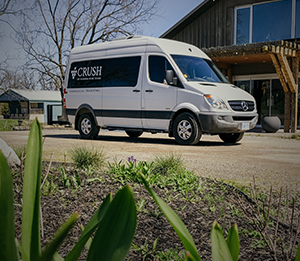
Wine Tour Van

Feeling overwhelmed when trying to plan a fun day in wine country? You're not alone, these 5 tips will help you in the planning process to ensure you get the most out of your wine tour experience;

  1. Research wine tour operators ahead of time and make a plan. Niagara has plenty of companies to choose from, so take some time to research which one would best fit the needs of your group.  And remember to book ahead of time, weekends fill up quick!
  2. Consider booking a wine tour that includes a tour of the winery. A guided wine tour can provide you with a deeper understanding of the winemaking process and the history of the winery.
  3. Attend a wine tasting event. Many wineries host special events and tastings throughout the year. These can be a great way to sample a variety of wines and meet other wine enthusiasts.
  4. Don't be afraid to ask questions. The staff at wineries are often knowledgeable and passionate about their craft. They can provide you with valuable information about the wines you are tasting.
  5. Take your time and enjoy the experience. Wine tasting is meant to be a relaxing and enjoyable experience, so take your time and savour each sip. And don't forget to drink plenty of water and eat something between tastings to avoid getting tipsy.

And please remember these 2 important lessons in life, you get what you pay for and when something sounds too good to be true, most likely it is! 

Cheers! 

glass of wine

Best day to go Wine Tasting?

glass of wine

Best day to go Wine Tasting?

Here are a few tips for choosing the best day to go Wine Tasting in Niagara!

Avoid weekends if possible, as they tend to be the busiest and most crowded. Even going on a a Friday or Sunday will be less busy than Saturday. We'd recommend consider going weekday as that is one of the best times for guests to receive more of a personalized experience.  Staff tend to have much more time to spend with guest giving them that little added touch.

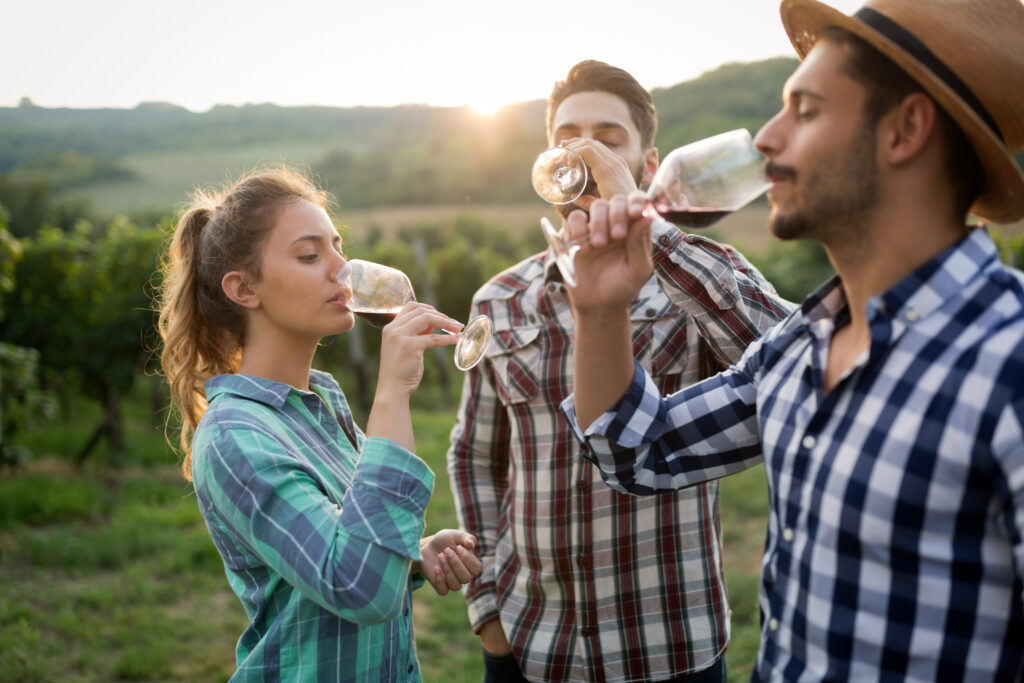
Friends drinking wine
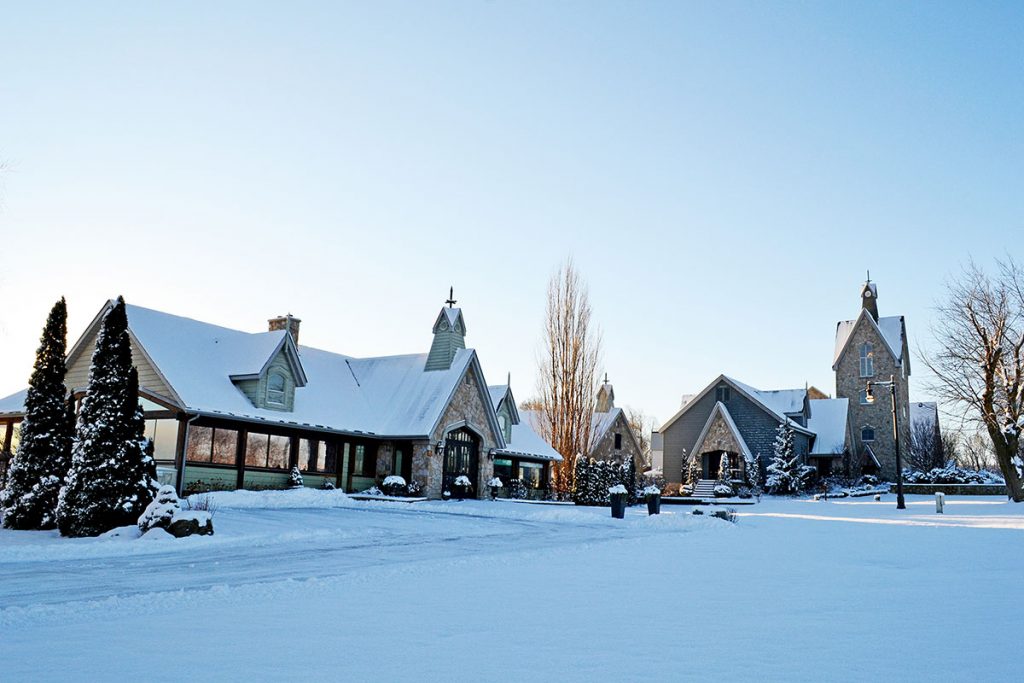
Winter winery

Go during the off-season or shoulder season to avoid crowds and get a more intimate experience. July & August are naturally busy as it summer holidays but some people don't realize that September is one of the busiest months in wine country. The vines are ready for harvest and they look beautiful so people love being amongst the vines. We suggest coming out to wine country in the Winter months and enjoy a wine tasting cozied up next a warm fire overlooking the snow covered vines.

Even though we all image a warm sunny day as the perfect time to go wine tasting, do let that be the driving force in not coming out to winer country. We run tours rain or shine and won't let mother nature put a damper on a day you had planned to enjoy time with friends, family and loved ones. Most wineries do have outdoor covered space that you can still enjoy being outside. 

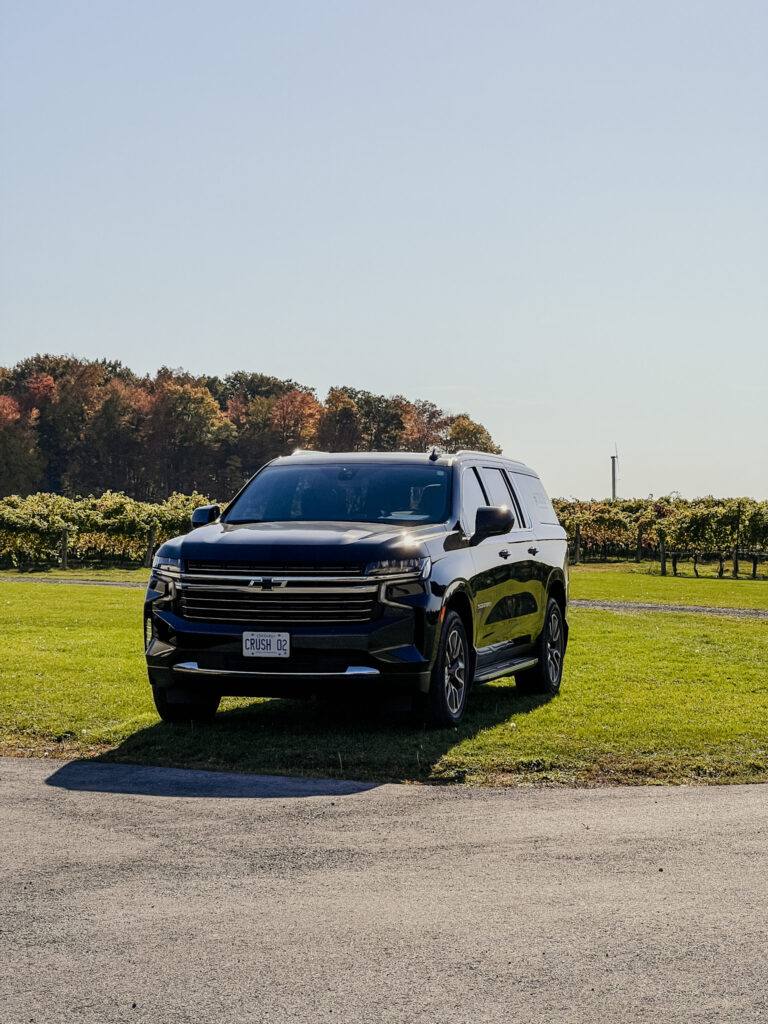
Wine tour vehicle
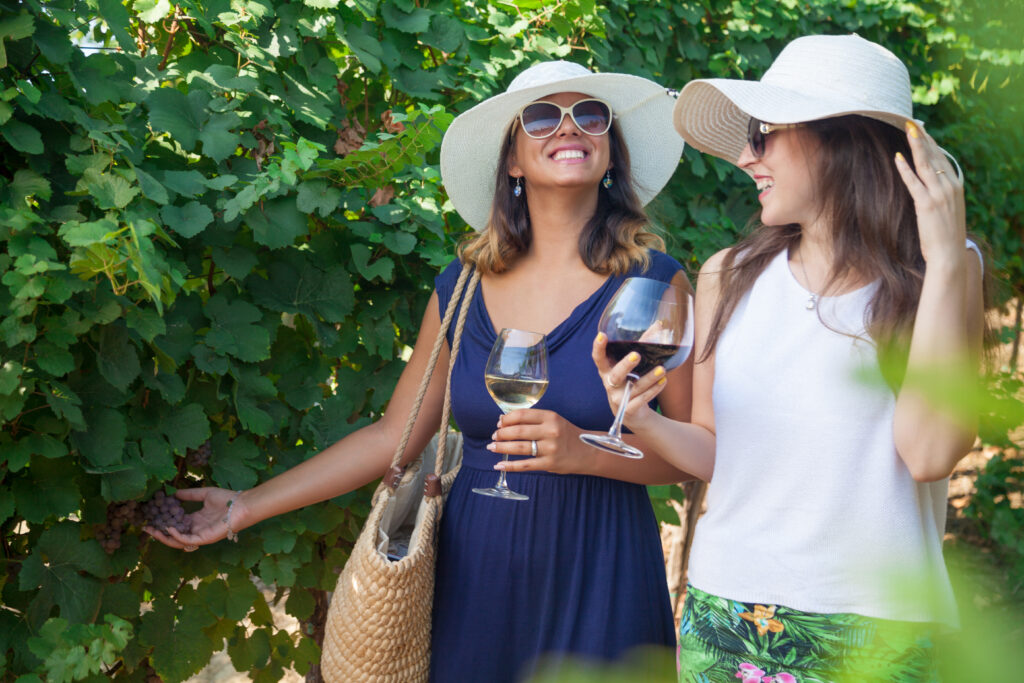
Friends in the vines

Before planning a wine tour or heading out to wine country be sure if there are specific wineries you want to visit that they are open and not hosting private or special ticketed events. some wineries do host weddings or have limited hours during certain days of the week. Research the winery's event calendar or be sure to ask us at time of booking so you can avoid missing out. 

Niagara versus France!

Niagara versus France!

Vineyards
Winery vines

In this blog post, we'll explore why Niagara wines are as good (or better!) than wines from France. Wine lovers know France as one of the top producers of great wines, and it has become the benchmark for many other wine regions worldwide. However, Niagara Wine Region, located in Ontario, Canada, has gradually become one of the most exciting and visited wine regions in the world. The Niagara wine region has been producing some of the world's finest wines and, over time, it has proved to be one of France's biggest competitors.

Soil Quality

Niagara wine region has excellent soil composition that promotes winemaking. The Niagara Peninsula's shores and waters are ideal for growing grapes as the climate, and soil conditions are well suited for viticulture. The region has a diverse geological structure of glacial, shale, and sandstone deposits, which produces unique mineral notes in the wines. Similarly, France has excellent soil conditions suitable for wine production, but Niagara soils have shown to be equally impressive.


Climate & Temperature

The Niagara wine region has a climate ideal for winemaking, with a humid continental climate, which is tempered by the lakes' proximity. This weather pattern generates ideal conditions for vine growth, creating a nice balance between sugars, acids, and tannins, leading to exceptional wine production quality. In comparison, France has a more extended growing season because of its milder climate; however, Niagara's climate still produces wines with unique, complex flavors and aromas.

Niagara Vintner's Excellence

Winemakers in Niagara have learned to craft some of the world's leading wines, competing with other top wine regions worldwide. Niagara winemakers have an attention to detail and dedication towards producing top-class wines. Niagara Vintners have done experiments with various grape varietals and aging techniques to create unique wines that stand out from the competition. Similarly, French winemakers also cultivate this sense of craftsmanship to create some of the world's finest wines.

Diversity in Niagara's Wines

Niagara's winemakers have a diverse range of grape varietals and wine styles. Niagara wines are well-known for their innovation and modern approach to winemaking, producing high-quality wines that go beyond the traditional wine culture. From Riesling, Chardonnay, to Gamay and Icewine, there’s a wealth of Niagara wines. In comparison, French winemakers focus on using traditional wine styles and grape varieties, rarely venturing from their region’s tried-and-tested methods.

Niagara's Quality Wines are Affordable

Niagara wines are offered at a reasonably attractive price point, making them more accessible to wine connoisseurs than France's top-rated wines. Despite the affordability, Niagara wines retain its high quality in its range of wines. French wines often come with a higher price tag because of its reputation and the traditional techniques used in wine-making.

From the point of soil quality, vintner's excellence, climate, diversity, and affordability, Niagara wines are proven to be as good as wines from France. Niagara winemaking is advancing rapidly, with a wide range of exquisite flavors and aromas that strikes the perfect balance between traditional and modern flavors. Niagara wine region offers a unique experience for travelers, making it a top destination for wine tourism. Niagara wines are worth tasting, and they worth a place in any wine collection.

wine vineyards